Published by Nexcey Editorial Team · Researched & Fact-Checked · Editorial Standards.
Buying a logo and buying an identity solve different problems. A logo gives the business a recognizable mark. An identity gives you a wider set of decisions for communicating consistently. If you need to launch a website, proposals and social content together, ask what guidance comes with the logo before judging a proposal by its preview images.
What a logo includes
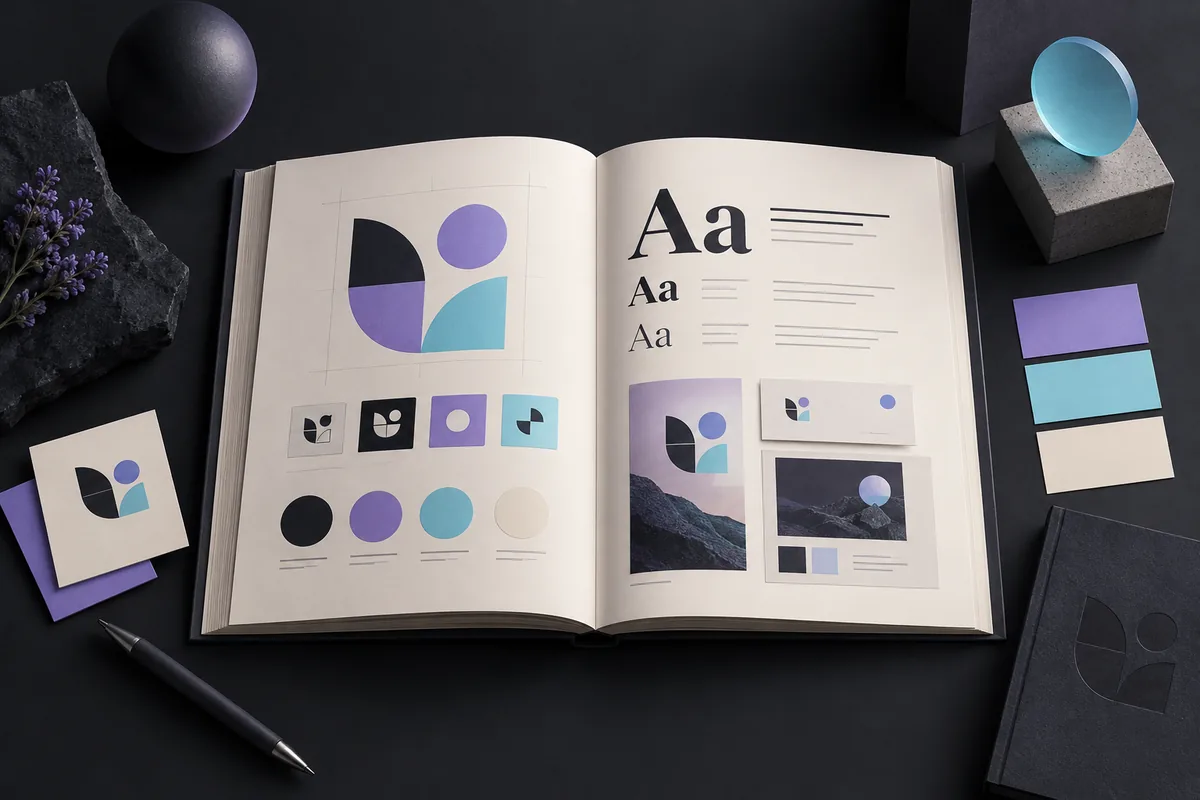
A professional logo system may include a primary lockup, compact version, icon, wordmark, monochrome version, clear-space rule, minimum size, and suitable file formats. It should remain legible across intended uses.
What brand identity includes
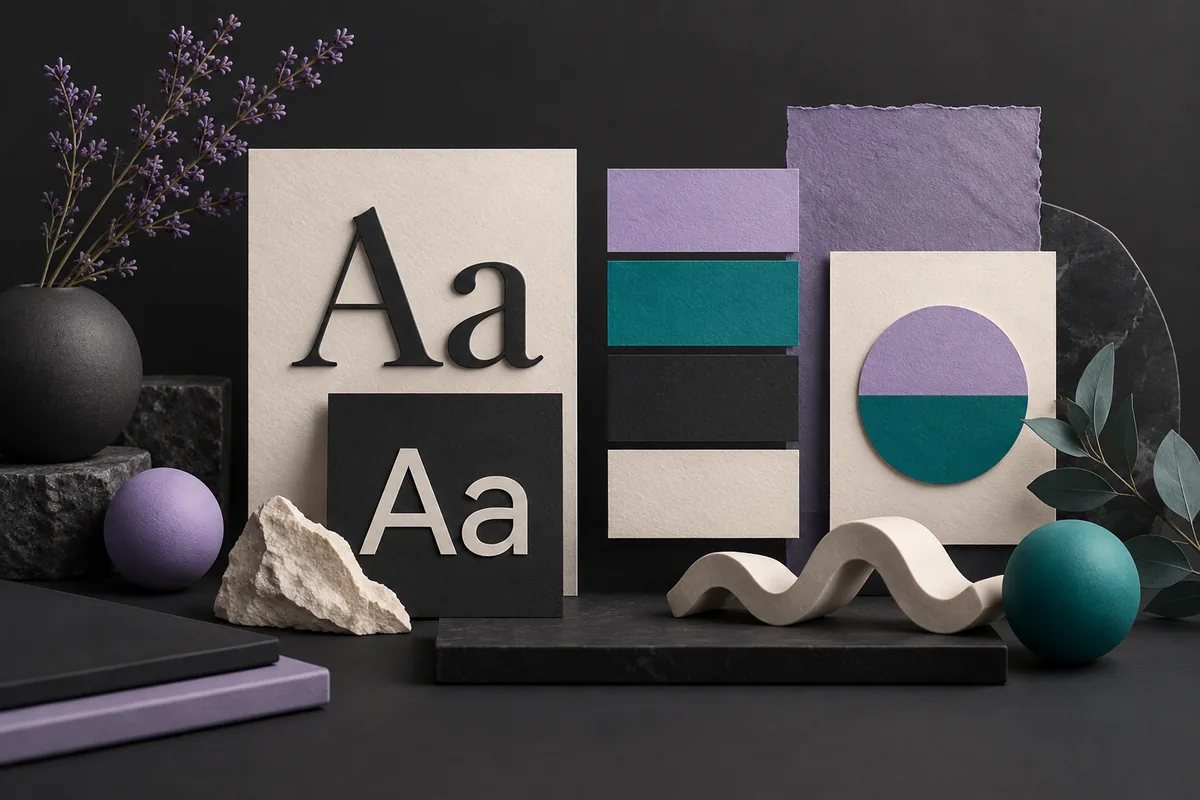
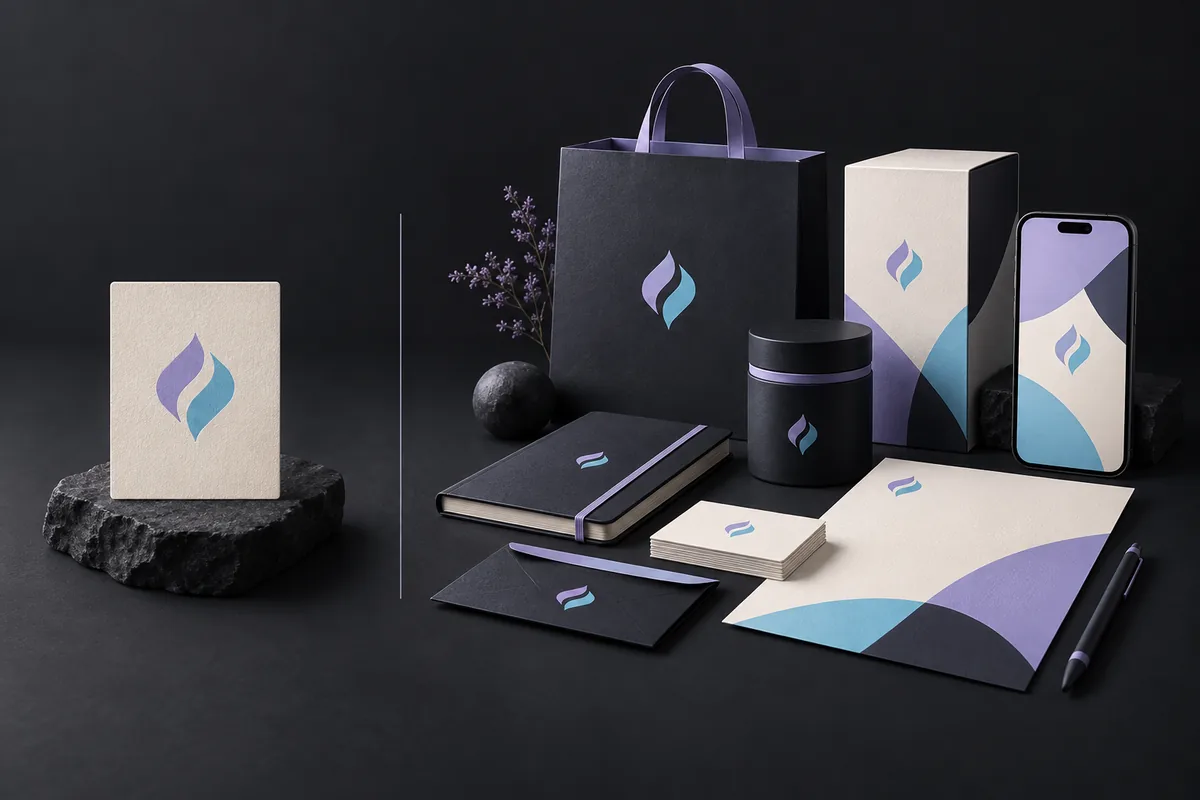
Identity combines positioning, messaging, voice, logo, color, typography, imagery, illustration, layout, icons, motion, and usage rules. The exact components depend on where the business meets customers. Expand your logo into a versatile communication toolkit with our guide on brand identity for small businesses.
What a logo can solve
A good logo can improve recognition, distinguish the company name, and provide a flexible identifier. It cannot clarify a weak offer, repair inconsistent service, or supply every design decision.
What identity can solve
A coherent identity helps different teams produce work that feels related, makes the brand easier to recognize, and creates a repeatable framework for new channels and content.
When a logo-only project is reasonable
A focused logo can be suitable for an early experiment, a local operation with few touchpoints, or a company whose wider system already exists. Even then, request basic variants, color values, type guidance, and usage rules.
When a complete identity is needed
Choose broader identity work when launching across several channels, entering a competitive category, changing positioning, scaling content production, raising investment, or replacing inconsistent materials. Learn how to evaluate whether your current identity still reflects your market positioning in when to rebrand your business.
Why strategy comes first
Visual directions can all look attractive while communicating different qualities. Audience, category, value, and personality criteria help the team choose a direction for reasons beyond taste.
How to evaluate deliverables
Ask whether the system works in one color, at small sizes, on light and dark backgrounds, across digital and print, and with accessible text combinations. Test real website and document examples.
Ownership and legal checks
Clarify ownership, source files, font and image licenses, and permitted modifications. Search relevant trademark databases and obtain qualified legal advice when protection or conflict risk matters.
Practical checklist
- Business need defined before visual work
- Logo variants cover intended sizes
- Identity components match real channels
- Accessible color combinations tested
- Typography licenses and fallbacks checked
- Real touchpoints prototyped
- Source files and ownership clarified
- Trademark questions reviewed appropriately
Frequently asked questions
Can I build a brand with only a logo?
You can start with a logo, but repeated customer experiences will still need colors, type, imagery, messages, and behavior. Without rules, those choices become inconsistent.
Which should a startup buy first?
Start with positioning and a lean identity system. It can be intentionally small while covering the touchpoints needed for launch.
Does a rebrand always require a new logo?
No. A business can update positioning, messages, colors, type, and applications while retaining or refining a recognizable mark.
Can AI generate a business logo?
AI can assist exploration, but originality, reproducibility, ownership, trademark risk, accessibility, and professional file preparation require careful review.
Take the next step
Develop more than a logo with Nexcey.
Sources & further reading
Check the handover, not only the presentation
Ask to see the list of final deliverables before approving the project. A raster preview may be convenient for email but unsuitable for every print or scaling task. A font shown in a mockup may require its own license. Agree which editable files, variations and usage instructions will be supplied.
You do not need an enormous identity package if you only use a few channels. You do need enough information to repeat the design without rebuilding it from screenshots. Describe your real uses, then ask the provider to show how the proposed handover supports each one.
Compare the deliverables before buying
Two proposals can both say “branding” while supplying very different work. Ask for the formats and usage examples that will let you apply the result after handover. A logo image alone does not specify how the rest of a website should look.
| Deliverable | Logo-focused scope | Identity scope |
|---|---|---|
| Mark variants | Usually central | Included as one component |
| Messaging | Often outside scope | Defined if included in the brief |
| Colour and typography | Basic usage rules | A functional system and examples |
| Applications | A limited preview | Agreed website/document/social templates |
Continue with a related guide
- How to Choose Brand Colors and Fonts That Work Together
- How to Plan a Business Website: The Complete Guide from Idea to Launch