Published by Nexcey Editorial Team · Researched & Fact-Checked · Editorial Standards.
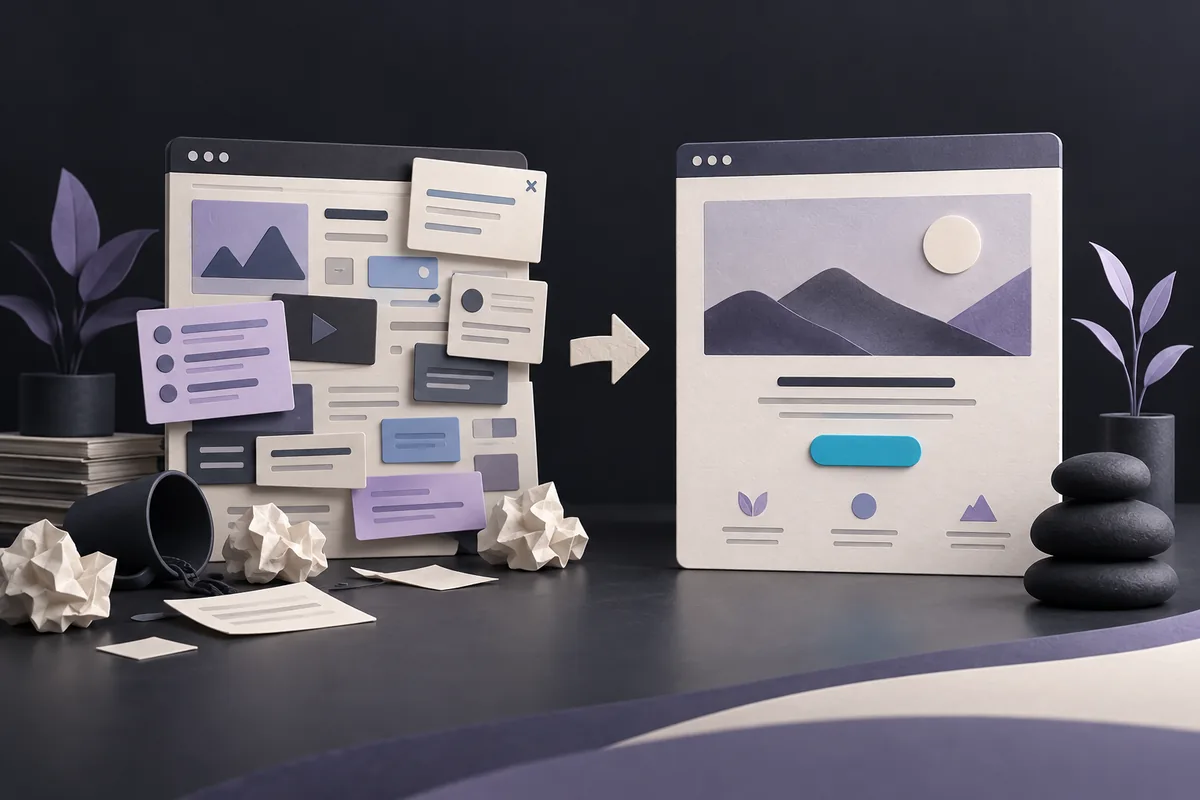
Good design makes the next step easier to understand. A visitor should not have to decode your headline, guess which service fits or wonder what happens after clicking a button. Conversion-focused design starts by removing those uncertainties. It gives someone enough information to make a sensible decision, including deciding that your offer is not the right fit.
Start with one primary business outcome
Choose the main result the site should support: qualified enquiries, bookings, purchases, applications, visits, or another measurable action. Secondary actions can exist, but every page should have a clear role in the journey.
Translate the outcome into measurements such as conversion rate, qualified lead volume, booked-call rate, revenue, or assisted conversions. Traffic alone does not show whether the design works. Since the homepage sets the primary first impression, review our dedicated small-business homepage design guide.
Understand the visitor before arranging the page
Interview customers and sales staff, review search queries, read support questions, and study analytics. Identify what visitors already know, what worries them, and what evidence they need before acting.
Build pages around those questions instead of the company’s internal departments. Use the visitor’s language, then connect features to practical outcomes.
Create a clear information hierarchy
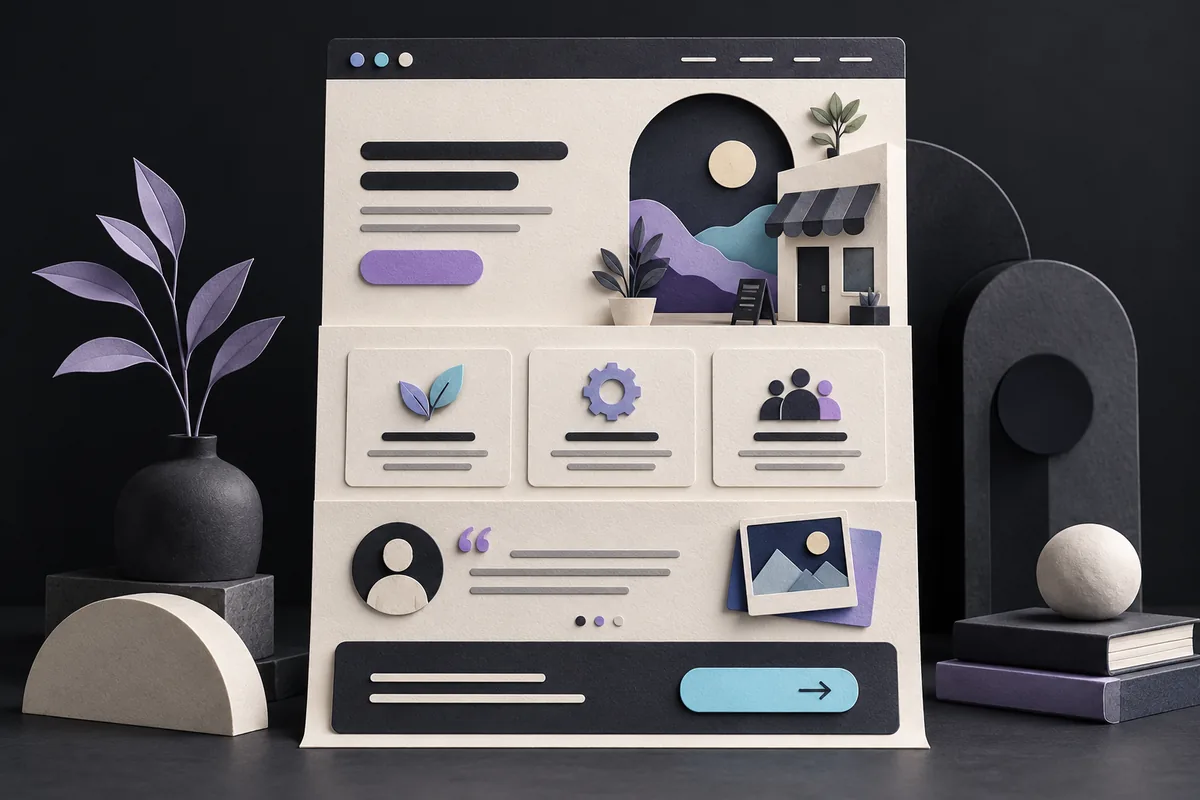
A visitor should quickly understand who the business helps, what it provides, why it is credible, and what to do next. Use descriptive headings, short sections, and meaningful link labels.
Keep navigation focused. Group related services, avoid overlapping labels, and provide direct paths to high-value information such as pricing, process, results, and contact options. Protect your conversion rates by steering clear of the pitfalls highlighted in our guide on common website design mistakes.
Design each page around intent
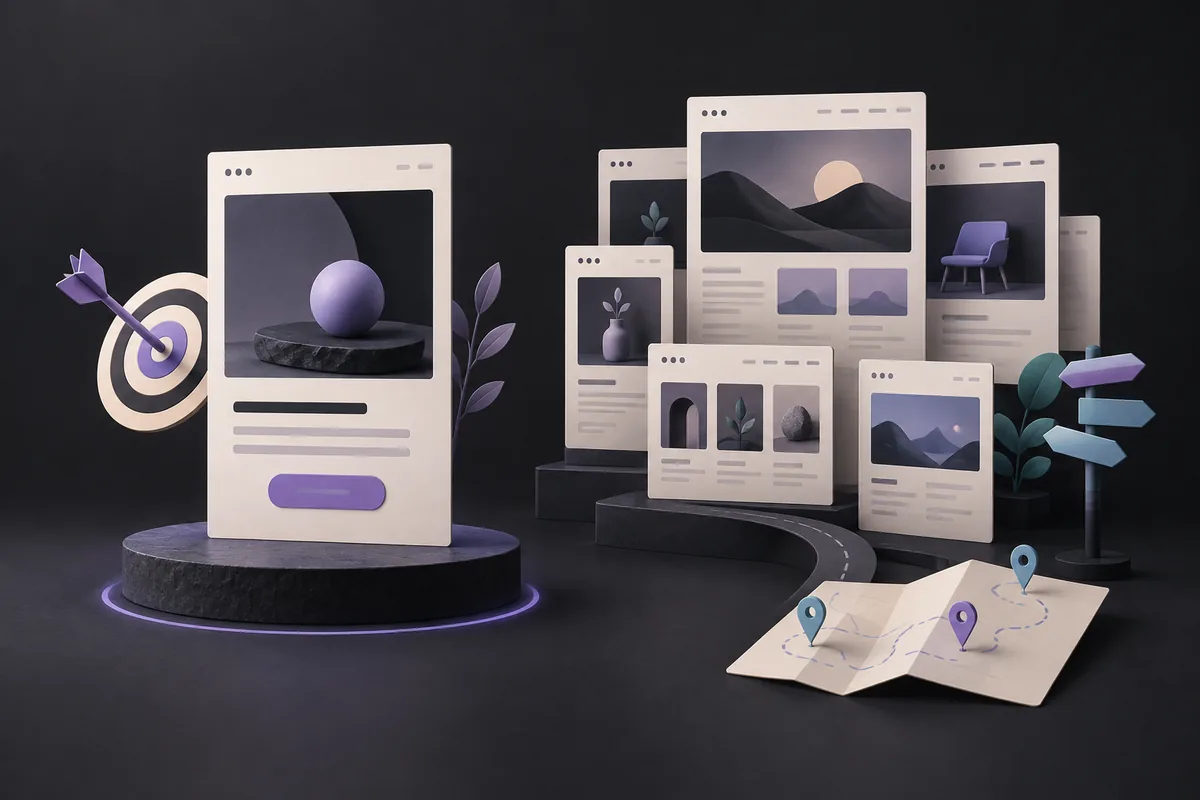
A homepage introduces and routes. A service page explains a solution and qualifies interest. A case study reduces risk with evidence. A landing page supports one campaign. Reusing one generic layout for every purpose weakens each page.
For each page, document the target visitor, question, promise, proof, primary action, and useful next page before polishing the layout.
Use proof where doubt appears
Place testimonials, outcomes, credentials, guarantees, examples, and process details near the claims they support. A wall of logos at the bottom cannot answer every objection.
Make proof specific and verifiable. Explain the starting situation, work completed, and result without exaggerating what the website alone caused.
Make calls to action concrete
Replace vague labels such as Submit or Learn More with actions that set expectations: Request a Quote, Book a Consultation, See Pricing, or View the Case Study.
Offer an appropriate commitment level. A first-time visitor may prefer a guide or estimate, while a returning visitor may be ready to schedule.
Design for mobile, accessibility, and speed
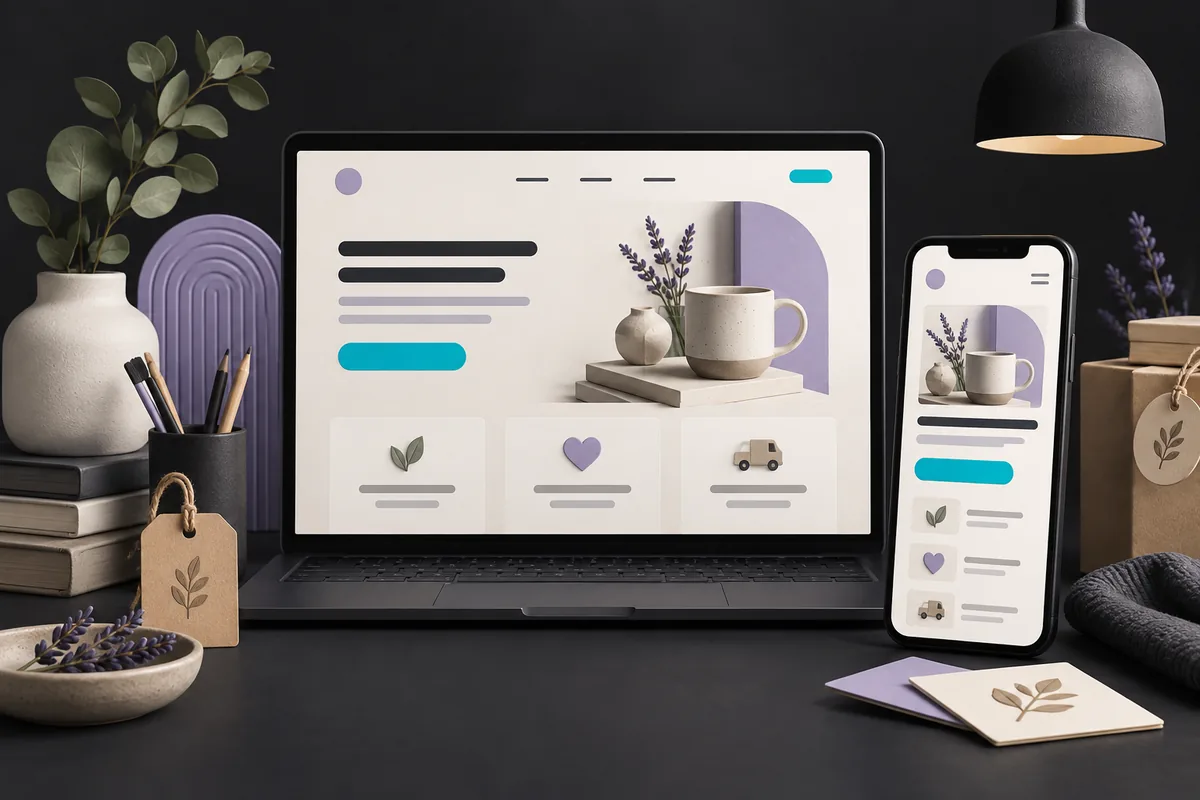
Responsive design means prioritizing content and interaction for constrained screens, not merely shrinking desktop layouts. Check navigation, tap targets, forms, tables, and media on real devices.
Use sufficient contrast, visible focus, labels, keyboard access, meaningful alternatives, and logical headings. Optimize images and scripts so a polished design does not become slow.
Build a reusable system
Use consistent components for headings, cards, buttons, forms, spacing, and feedback states. A small design system makes new pages faster to create and less likely to drift.
Define how editors can use components safely. Flexibility without rules often produces inconsistent pages after launch.
Practical checklist
- State one primary conversion goal
- Map priority audiences and questions
- Give every page a defined purpose
- Use clear headings and descriptive navigation
- Place relevant proof near important claims
- Use specific, expectation-setting CTAs
- Test forms, mobile layouts, keyboard access, and speed
- Configure analytics for meaningful actions
Frequently asked questions
What makes a website conversion-focused?
It connects visitor intent with a clear offer, credible evidence, low-friction interaction, and a measurable next step.
What is a good website conversion rate?
There is no universal benchmark. Intent, offer, channel, device, and how a conversion is defined all matter. Compare qualified results over time.
Should every page have a CTA?
Most pages should offer a logical next step, but the action must match the page’s purpose and the visitor’s readiness.
Can a template website convert well?
Yes. Clear strategy, strong content, careful configuration, proof, performance, and testing matter more than whether the initial layout was custom.
Take the next step
Plan a conversion-focused website with Nexcey. A focused review can turn the highest-impact opportunities into a clear, achievable roadmap.
Sources & further reading
Make the call to action match the commitment
“Book now” implies a confirmed reservation. “Request a callback” implies that someone will follow up. “Get a quote” may imply a price immediately, even if your process starts with a conversation. Choose the wording that describes the actual next step and explain any important delay or qualification nearby.
This matters because clicks alone can give a misleading picture. A more aggressive button may produce more enquiries but fewer suitable customers. Record whether the next step was completed and whether the enquiry matched the service. When you revise a page, consider what the visitor understood, not just whether the button attracted attention.
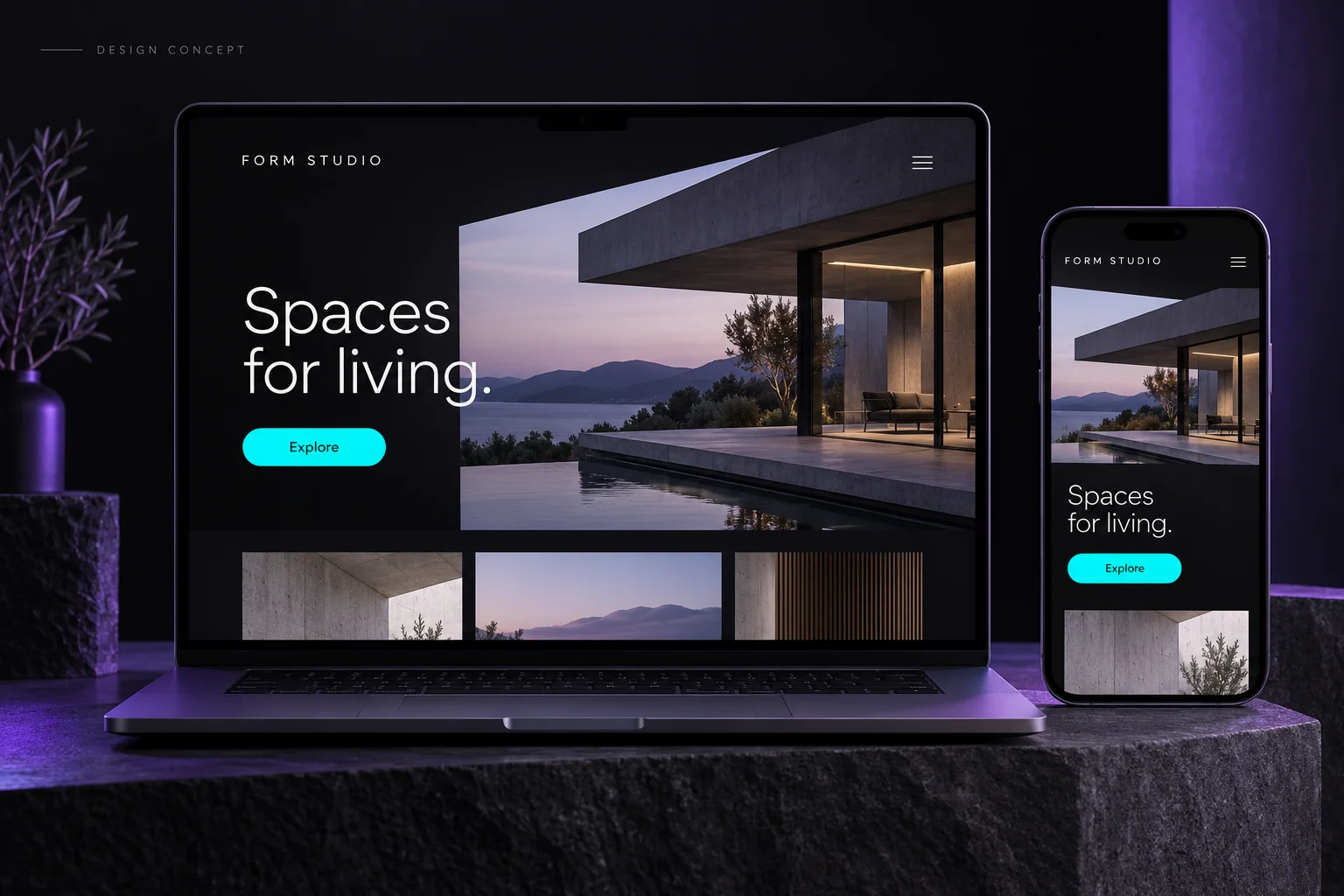
A conversion-focused service-page outline
Consider a fictional bookkeeping service. The visitor needs to know who it serves, what records it needs and what happens after an enquiry. A clear next step and an honest process can answer those questions without manufactured testimonials or claims about guaranteed savings.
| Section | Useful content |
|---|---|
| Opening | Bookkeeping for owner-managed service businesses |
| Scope | What is included and what needs a separate quote |
| Process | Initial discussion, records review, written proposal |
| Proof | A permission-cleared example or explained work process |
| Action | Request a bookkeeping discussion |
Continue with a related guide
- 15 Website Design Mistakes That Cost Small Businesses Customers
- Technical SEO for Small-Business Websites: A Beginner-Friendly Guide